Relational Futures Research Project

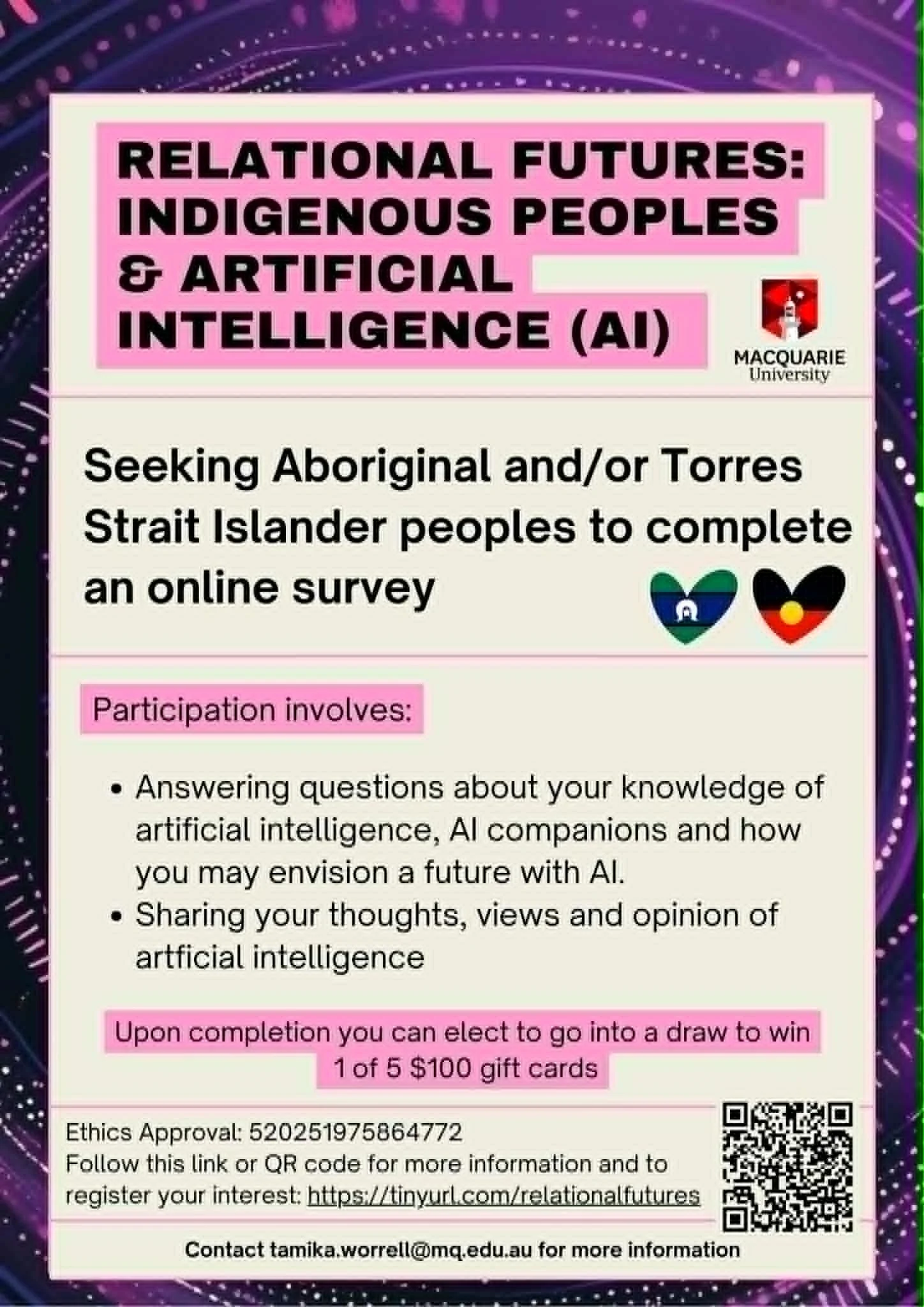
Relational Futures is an Indigenous led research project examining how Aboriginal and Torres Strait Islander peoples are engaging with artificial intelligence in everyday life. With a focus on AI companions, technologies that simulate care, connection, and intimacy, the project explores how these systems are reshaping relationships, wellbeing, and decision making across health, education, work, and social life. Rather than treating AI as neutral innovation, Relational Futures approaches it as part of ongoing colonial infrastructures of surveillance, classification, and extraction. The project centres Indigenous knowledge systems, kinship relations, and sovereignty to ask what ethical and relational frameworks are needed to guide AI in ways that support, rather than undermine, community life and cultural authority. Through Indigenous methodologies, the research generates critical evidence on access, use, risks, and possibilities, while also imagining futures where AI is shaped by principles of care, accountability, and respect for Country. Relational Futures positions Indigenous peoples not as passive users of technology, but as leaders in defining more just and relational digital futures.

Art by Dylan Barnes
Relational Futures.jpg

Researchers

We are Indigenous scholars in Critical Indigenous Studies at Macquarie University working within the ongoing conditions of settler colonialism, where digital systems increasingly shape how Indigenous lives and knowledges are governed. As AI expands across everyday life, we engage it critically as infrastructure rather than a neutral tool.

Bronwyn’s research on Indigenous digital life examines how platforms shape connection, harm, visibility, and resistance, with AI intensifying existing forms of algorithmic governance. Tamika’s work focuses on Indigenous representation in education, showing how institutional systems reproduce exclusion, misrepresentation, and the appropriation of Indigenous knowledges.

Together, our research positions AI as part of longer struggles over voice, control, and legitimacy within data driven systems. We foreground Indigenous sovereignty, relational accountability, and community authority, centring lived experience and the responsibility to support self - digital futures.

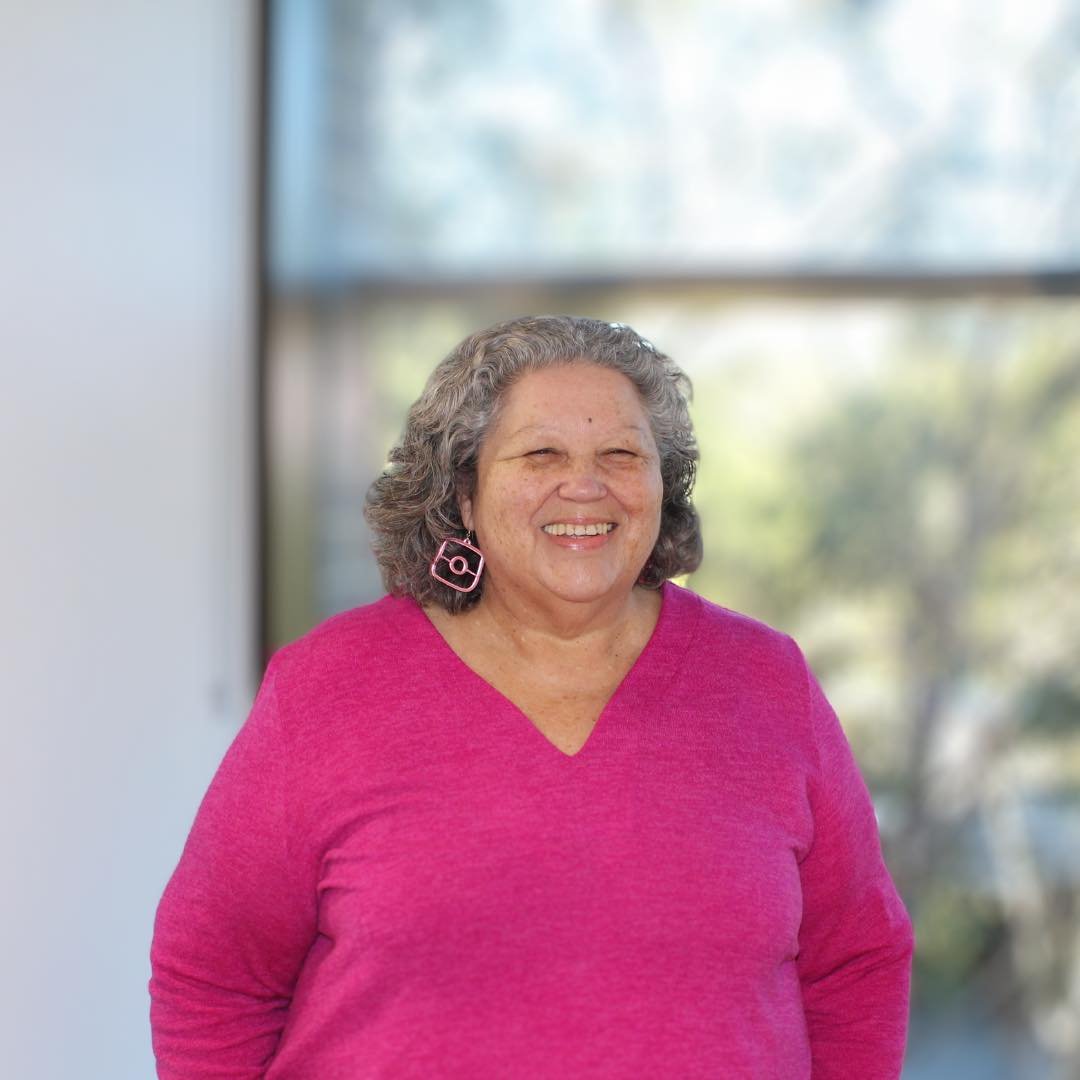
Distinguished Professor Bronwyn Carlson

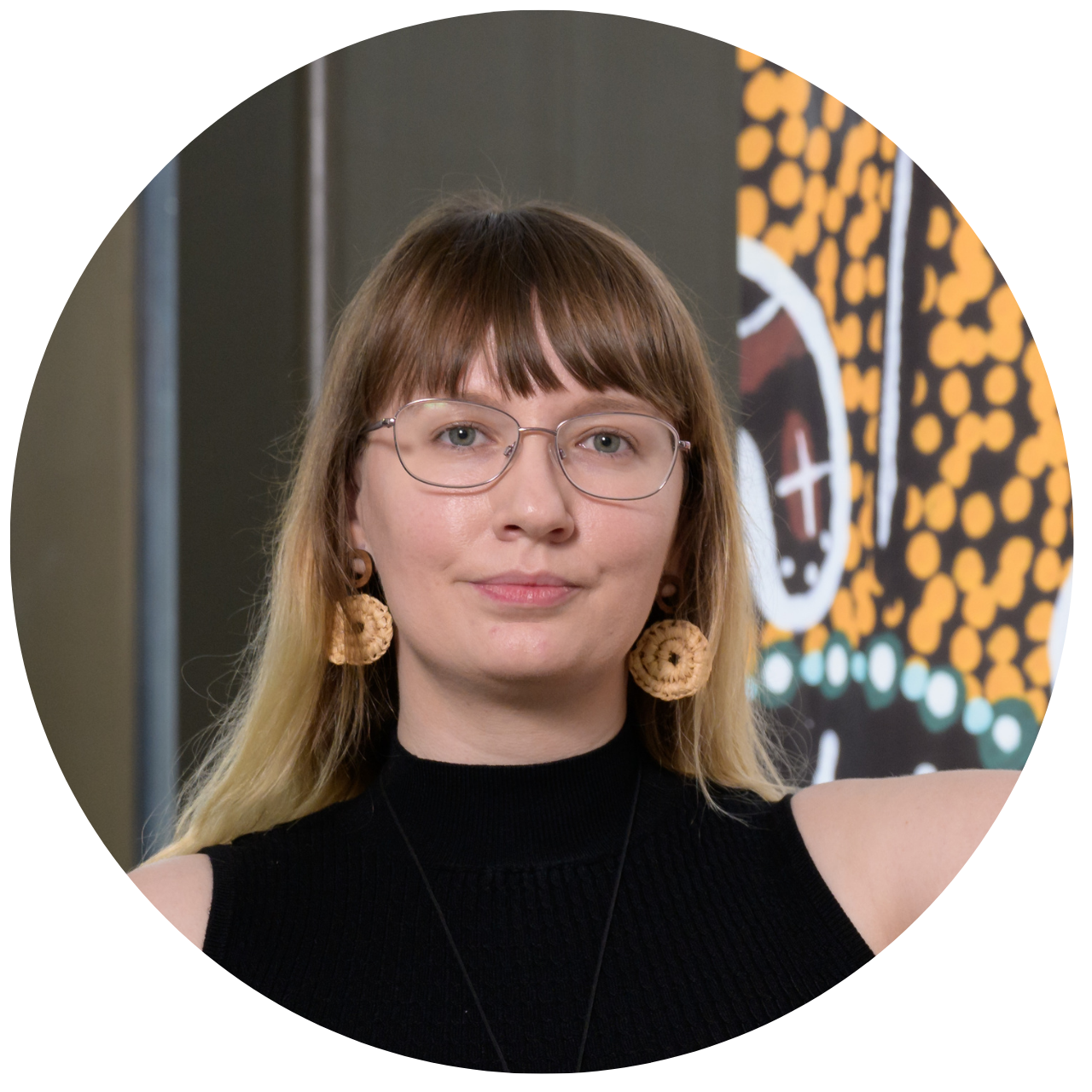
Dr Tamika Worrell


Research to date

Research to date has generated early insights into how Aboriginal and Torres Strait Islander peoples are encountering and making sense of artificial intelligence in everyday life. An online survey captured a broad range of perspectives on awareness, use, and concern, showing that while many participants recognise the practical benefits of AI, they remain cautious about issues of bias, surveillance, and the extraction of cultural knowledge.

These findings are deepened through yarning circles, which provide a space for collective reflection grounded in Indigenous methodologies. Participants consistently situate AI within longer histories of colonial control, identifying it as an extension of systems that classify, misrepresent, and govern Indigenous lives. At the same time, they articulate nuanced positions that hold both possibility and risk, recognising AI’s potential to support communication, creativity, and access, while insisting that usefulness does not equate to safety or justice.

Our research shows that Indigenous engagements with AI are informed, critical, and relational. Rather than approaching AI as a new or neutral technology, participants understand it as embedded within existing power structures, raising urgent questions about authority, accountability, and the conditions required for more just digital futures.

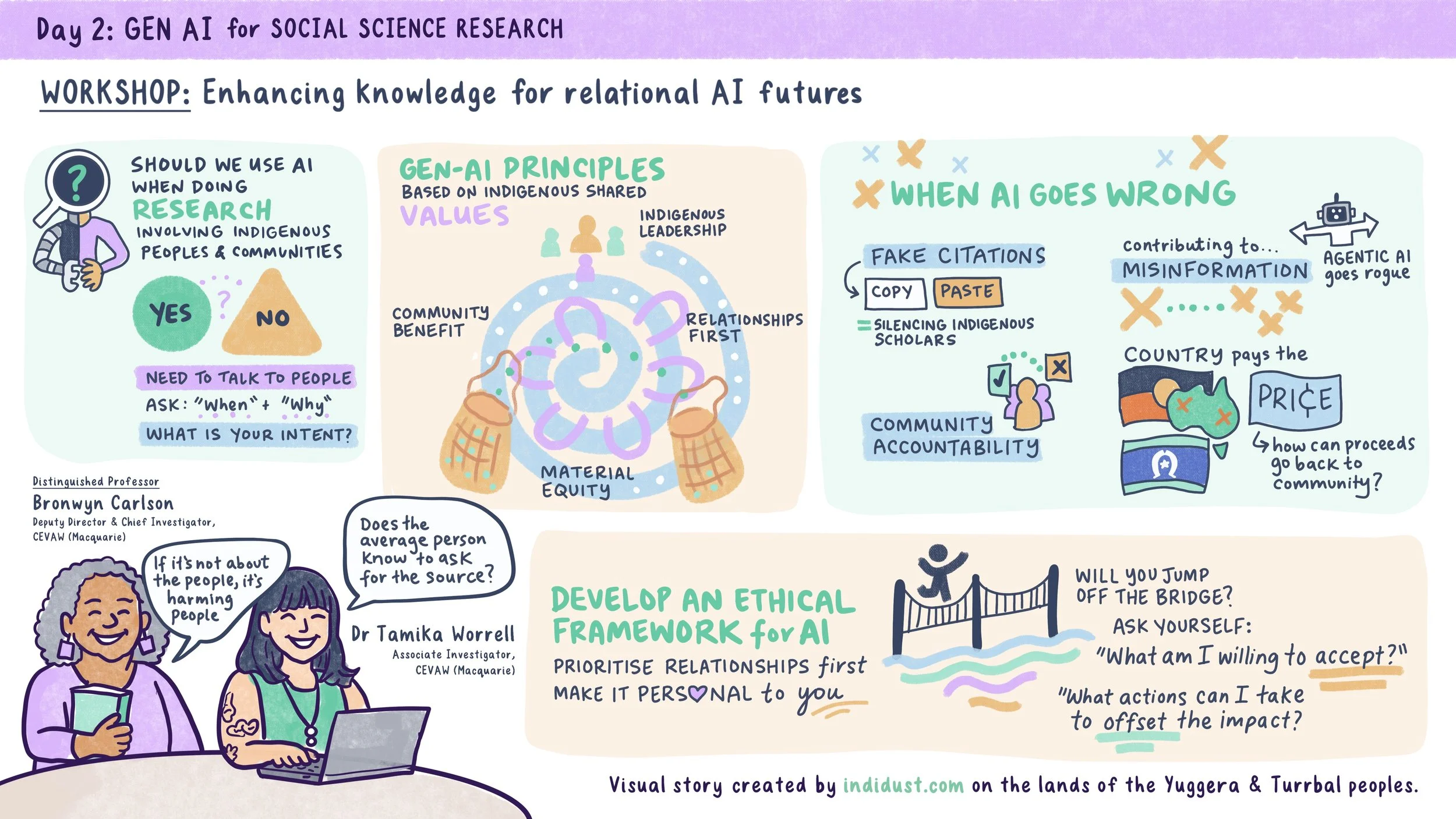
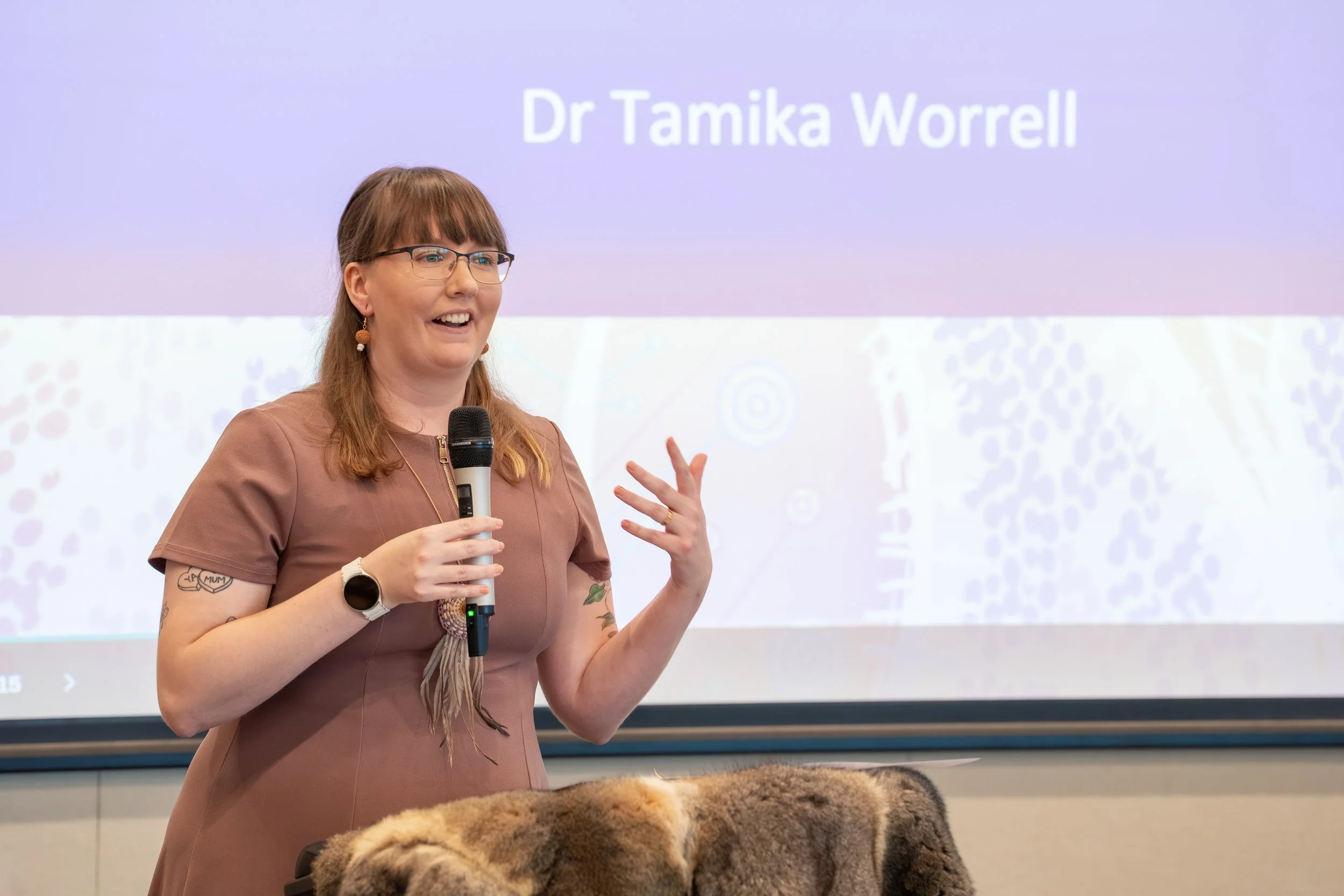
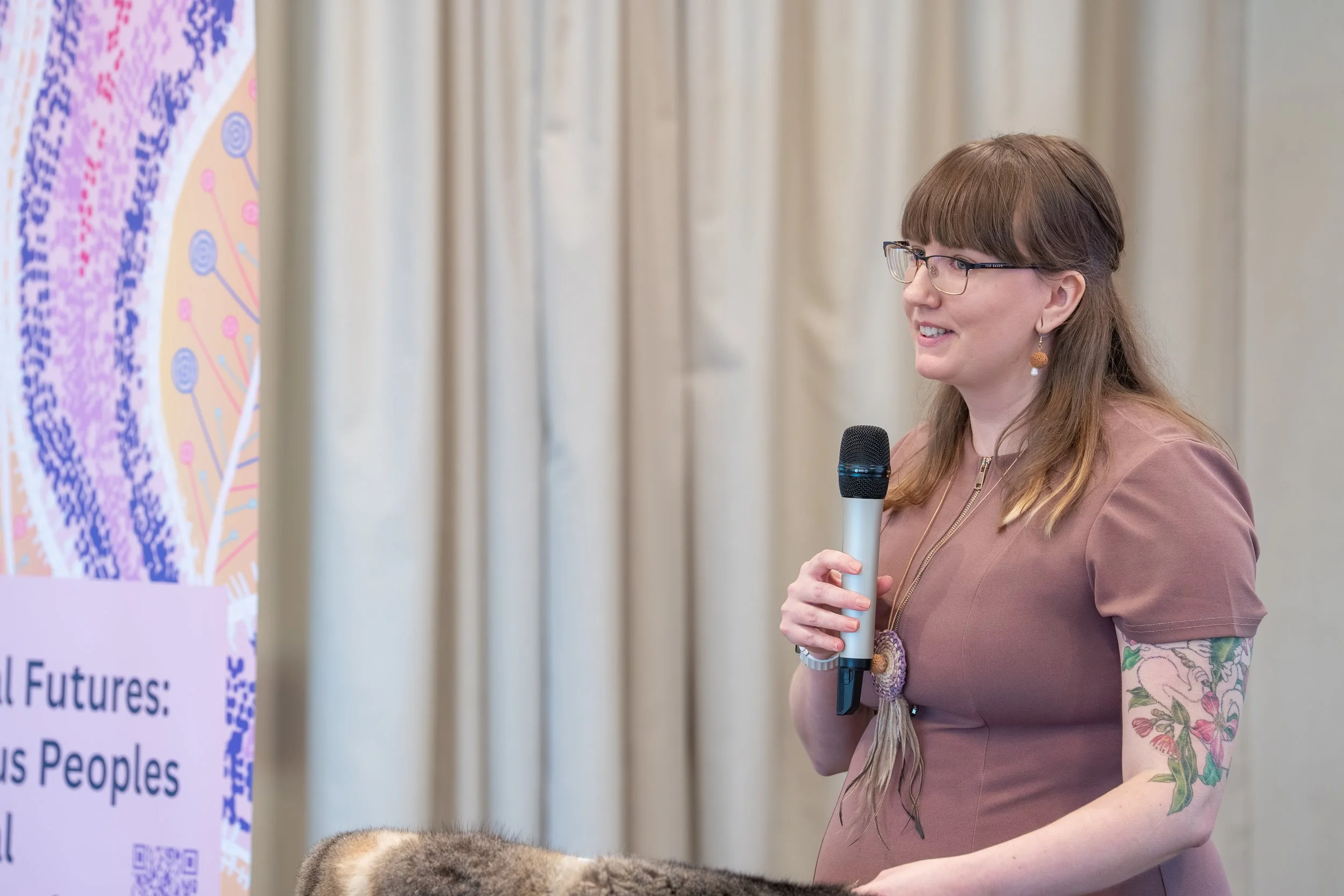
In March 2026 Professor Carlson and Dr Worrell presented on this project to the Australian Research Council Centre of Excellence for the Elimination of Violence Against Women (CEVAW) in collaboration with the Australian Research Council Centre of Excellence for Children and Families Over the Life Course in Brisbane. The keynote and workshop was capture by Indigenous visual storyteller Indi Tansey -  IndiDust.


Publications

Worrell, T. & Carlson, B. (2025). Indigenous AI futures: Uncle Chatty Gee, Aunty Lexi, and algorithmic settler colonialism. Somatechnics, 15(3), 296-314. https://doi.org/10.3366/soma.2025.0468

Carlson, B & Worrell, T. (2026). ‘No accountability, no checks and balances, no responsibility’: how Indigenous peoples think about AI. The Conversation.

Carlson, B., & Worrell, T. (2026). Robots Behaving Badly: Algorithmic Colonialism and the Consequences of AI. Journal of Sociology. https://doi.org/10.1177_14407833261451525

Forthcoming 

Special Issue of Somatechnics: Journal of Bodies – Technologies – Power, “Reclaiming the Future: Indigenous Power in a Programmed World” 2026

Carson, B., & Worrell, T. (Forthcoming). Artificial Intimacy and Indigenous Refusal in a Programmed World. Somotechnics

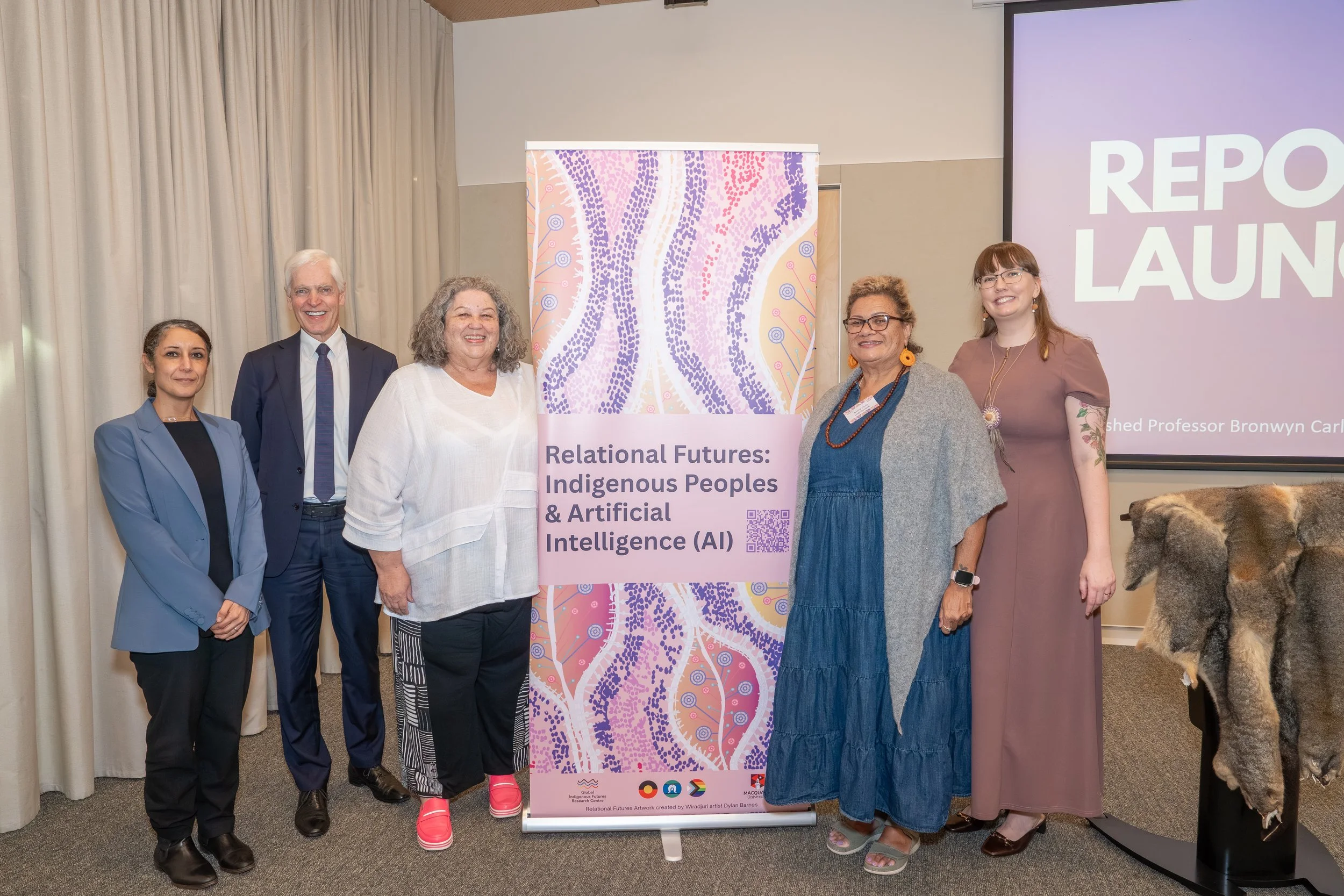
Relational Futures: Indigenous Sovereignty and the Governance of Artificial Intelligence (AI) Report

This report presents findings from the Relational Futures project, an Indigenous led study examining how Aboriginal and Torres Strait Islander peoples are encountering and responding to AI, including generative systems, automated decision-making tools, and AI companions.

This research demonstrates that artificial intelligence is not only a technical issue, but a relational, cultural, and political one. The findings highlight the need for action across government, industry, and research sectors, including strengthening Indigenous governance, implementing Indigenous Data Sovereignty, regulating high risk uses of AI, protecting cultural knowledges, and setting limits on the use of AI in care contexts."